
Finding the right senior living community starts with understanding the different types of care and amenities available. At Vineyard Seniors, we guide you through these options so you can make the best choice for yourself or your loved one. Click here to learn some signs it’s time to consider senior living for you or a loved one.

Types of Senior Living
Assisted Living
Assisted Living communities provide a balance of independence and support in a social, community-based environment.
Care: Assistance with daily living activities—such as bathing, dressing, and medication management, can be provided and built into a personalized care plan
Housing: Studios, one-bedroom, or two-bedroom apartments
Lifestyle: A community that promotes social interaction and engagement
Services Included: Meals, activities, housekeeping, laundry, maintenance, and local transportation
Independent Living
Independent Living communities are ideal for active seniors who can manage their own care but want the convenience of a social, maintenance-free lifestyle.
Key Difference: Care services are not included, unlike Assisted Living communities, which provide daily care as part of their offering
Housing: Typically larger communities offering apartment-style living or cottages
Services: Meal plans, housekeeping, local transportation, maintenance, and organized activities
Memory Care
Memory Care communities,or specialized areas within Assisted Living, are designed for individuals living with Alzheimer’s disease or other forms of dementia.
Services: Many communities include care costs within the monthly rental rate
Environment: Safe and nurturing with delayed-entry and exit systems for resident security
Care: Staff trained to support residents with dementia through structured routines and cognitive activities
Board and Care Homes
Board and Care Homes are smaller, residential settings that provide personalized attention in a home-like atmosphere.
Note: Board and Care homes make up the majority of assisted living units in California
Capacity: Licensed for up to six residents
Services: Meals, housekeeping, laundry, and activities included
Care: Typically includes daily care costs built into the monthly rent
Benefits: Often more cost-effective for higher care needs and ideal for residents who prefer a quieter environment or require close proximity to caregivers
Respite Care
Respite Care offers short-term stays in senior living communities, often used for recovery or temporary caregiver relief.
Benefits: Residents enjoy full access to community services, amenities, and social activities during their stay
Length of Stay: Typically around 30 days (can vary)
Uses: Recovery support, trial stays, or family caregiver breaks
Hospice Care
Hospice Care focuses on comfort, dignity, and quality of life for residents facing serious illness, but it’s not limited to end-of-life care.
Benefits: Pain management, emotional support, and family assistance provided in coordination with the senior living community
Purpose: Can support residents at the end of life or serve as additional care for those needing more support
Flexibility: Residents can go on and off hospice depending on their health and recovery
Home Care
Home Care brings caregivers directly to your home to help with daily activities and personal care.
Consideration: Typically requires a minimum of four hours per day and can become costly depending on the level of care needed
Services: Assistance with activities of daily living (ADLs) such as bathing, meal prep, and mobility support
Flexibility: Ideal for those recovering from surgery, illness, or who wish to remain in their homes
Need Help Choosing the Right Option?
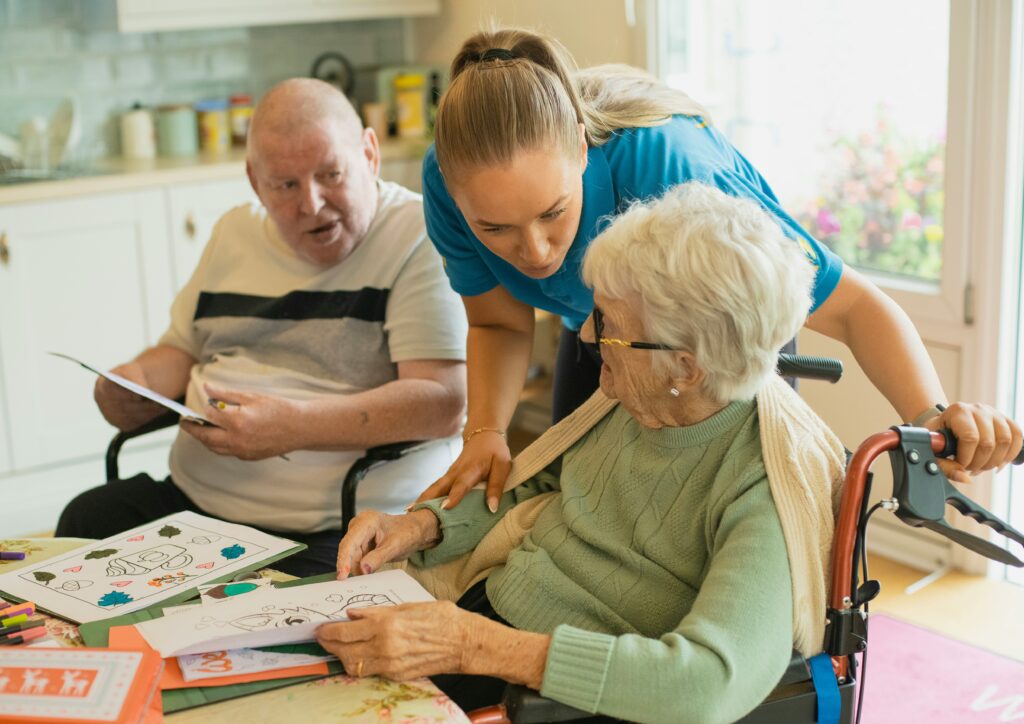
Not sure which type of senior living community is the best fit?
Contact Vineyard Seniors today for a free personalized consultation. We’ll help you find the right solution for your needs and budget.